




Everything you need to know about the new 2026 regulations


Formula 1 will face one of the most significant regulatory overhauls of its recent history in 2026. The new technical framework redefines the cars from the ground up, with the aim of improving energy efficiency, strengthening the sport’s commitment to sustainability and delivering closer, more competitive racing on track.
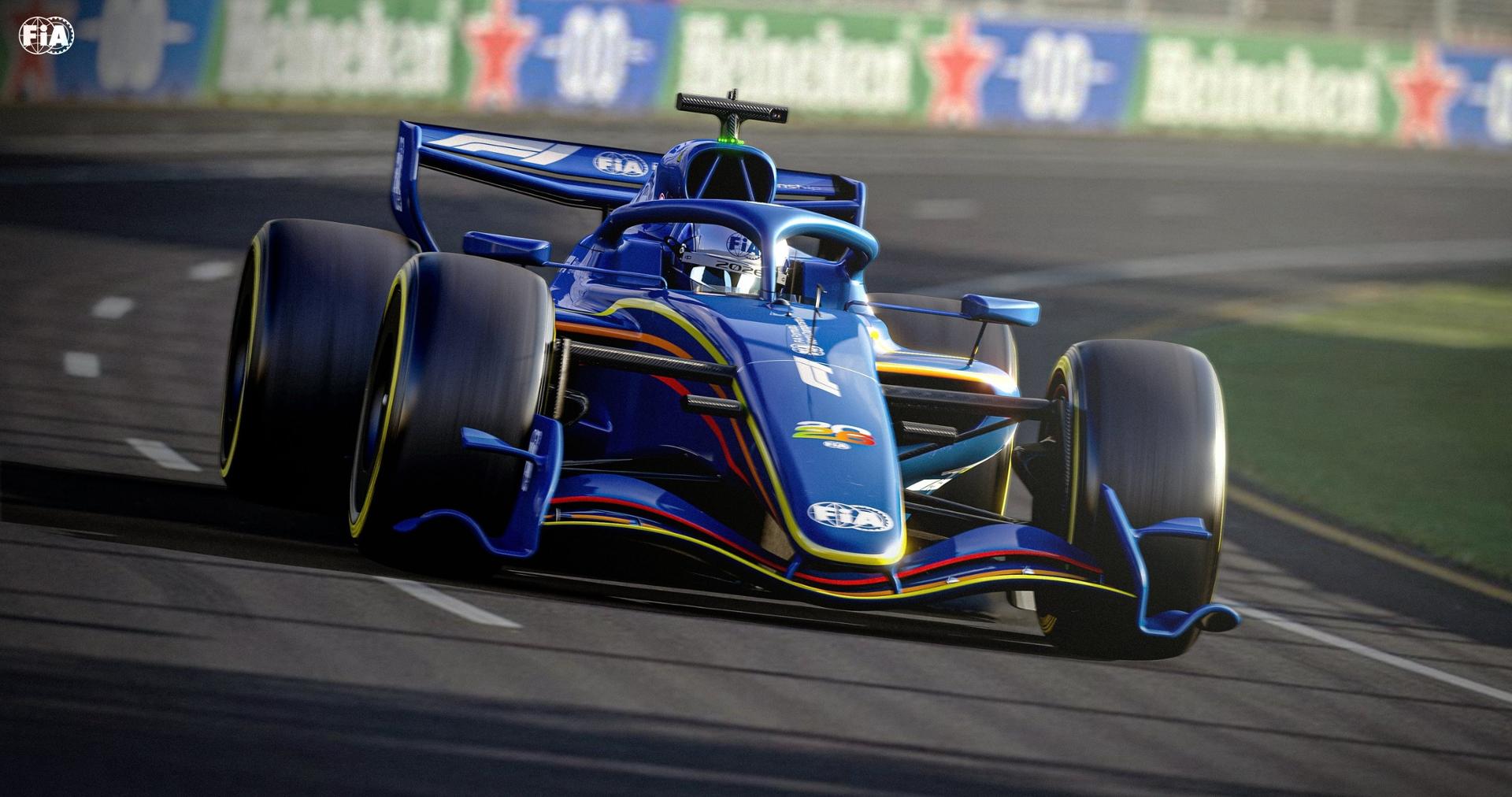
This set of regulations marks the beginning of a new era in which technological innovation and sporting spectacle progress hand in hand, laying the foundations for the future of Formula One.
Smaller, lighter cars focused on racing
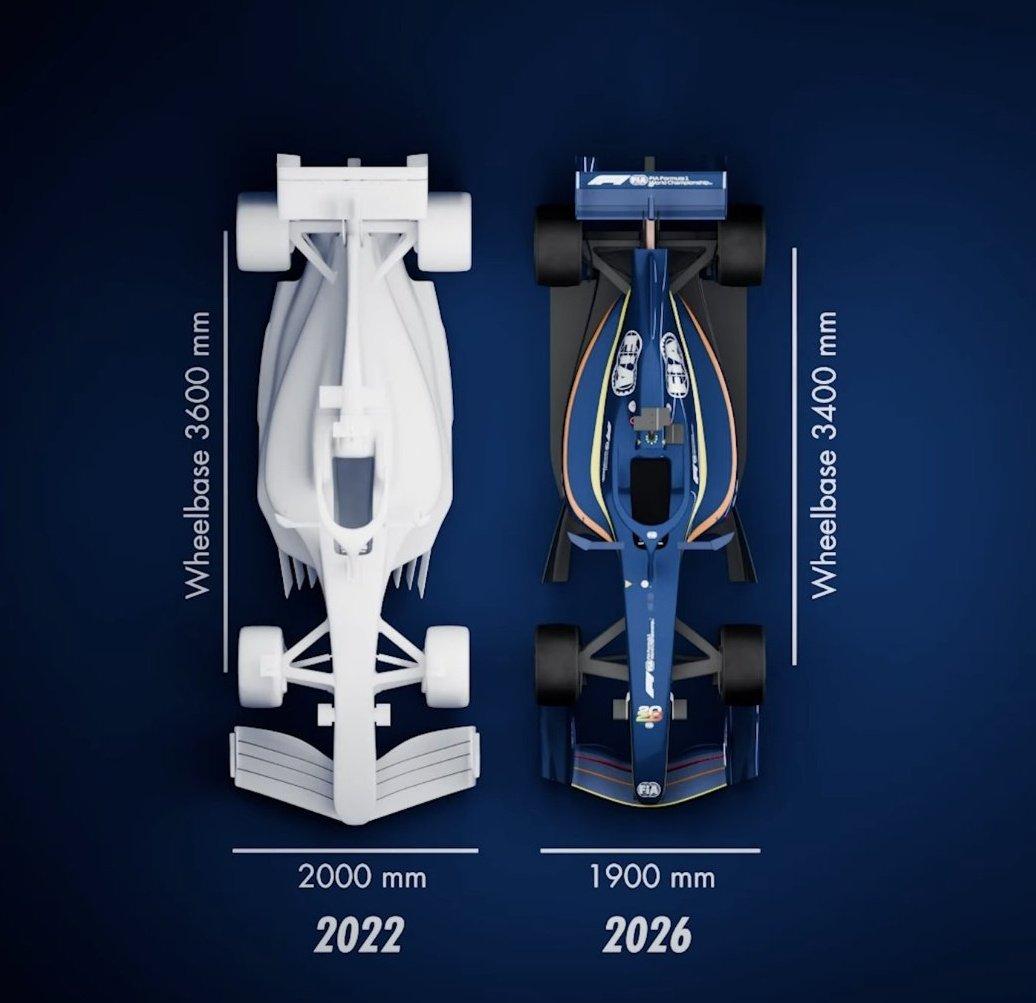
The 2026 regulations reduce both the dimensions and weight of the cars, favouring shorter, narrower and lighter machines. The objective is to improve the ability of cars to follow each other closely on track — one of the major challenges facing modern Formula One.
Under this new approach, the cars will generate less aerodynamic turbulence, enabling closer racing and a higher number of overtaking opportunities. The more compact design also enhances agility, particularly on street circuits and technical layouts.
Key points
-
Reduced size and weight
-
Less “dirty air”
-
Closer racing
Hybrid power units: more electric, more efficient
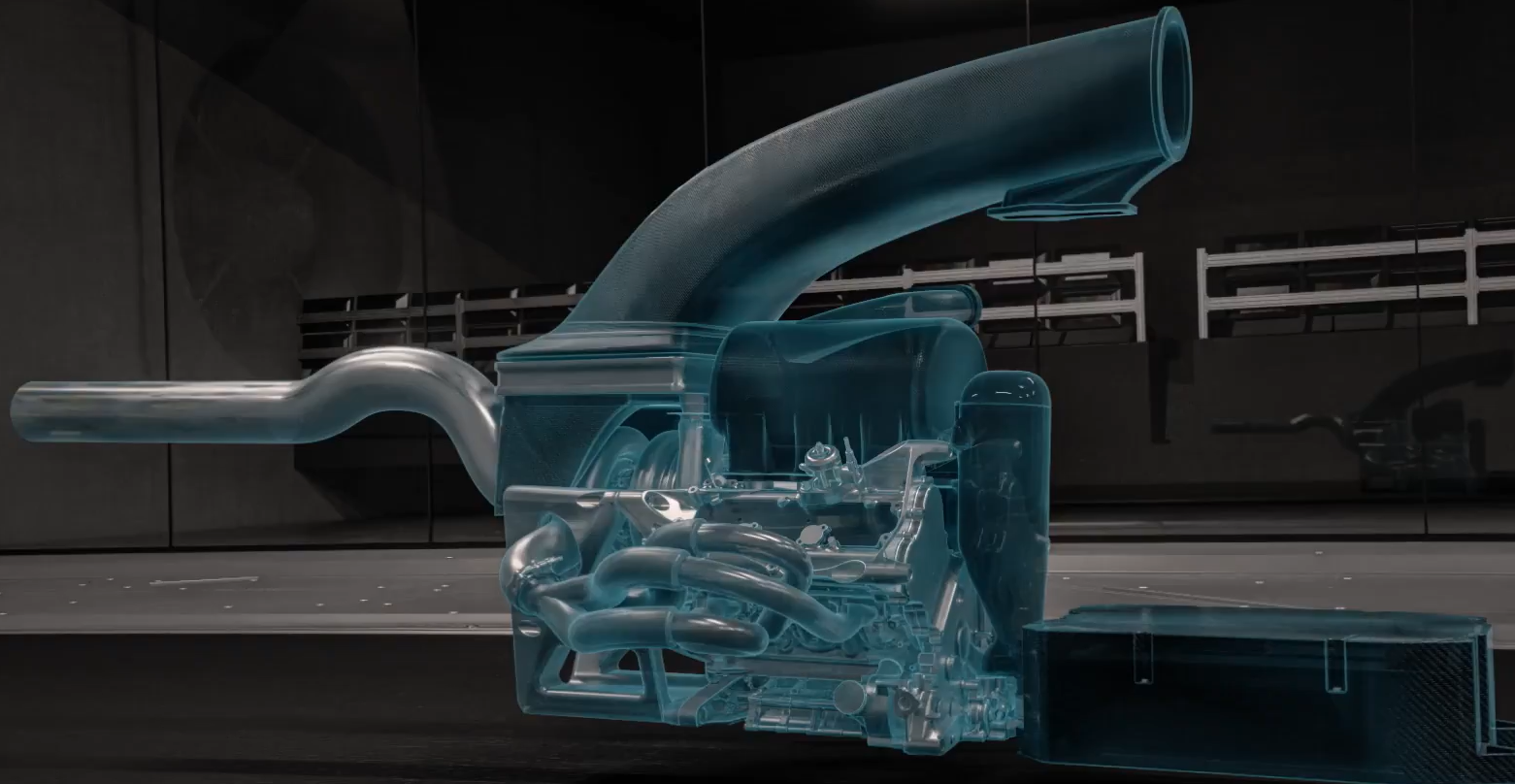
The 2026 single-seaters will retain the turbocharged V6 hybrid power unit format, but with a fundamental redistribution of power between the internal combustion engine and the electrical component. Roughly half of the total output will be generated electrically, significantly strengthening the role of hybrid systems.
One of the most notable changes is the removal of the MGU-H, a complex and costly component that until now recovered energy from the turbocharger. Its elimination simplifies power unit architecture and lowers the barrier to entry for new manufacturers joining Formula One.
The regulations also mandate the use of 100 per cent sustainable fuels, designed to reduce carbon emissions without compromising performance, and with clear relevance for future road mobility.
Key points
-
Significant increase in electrical power
-
Elimination of the MGU-H
-
100 per cent sustainable fuels
-
More efficient and accessible technology
Active aerodynamics: adapting to every phase of the lap
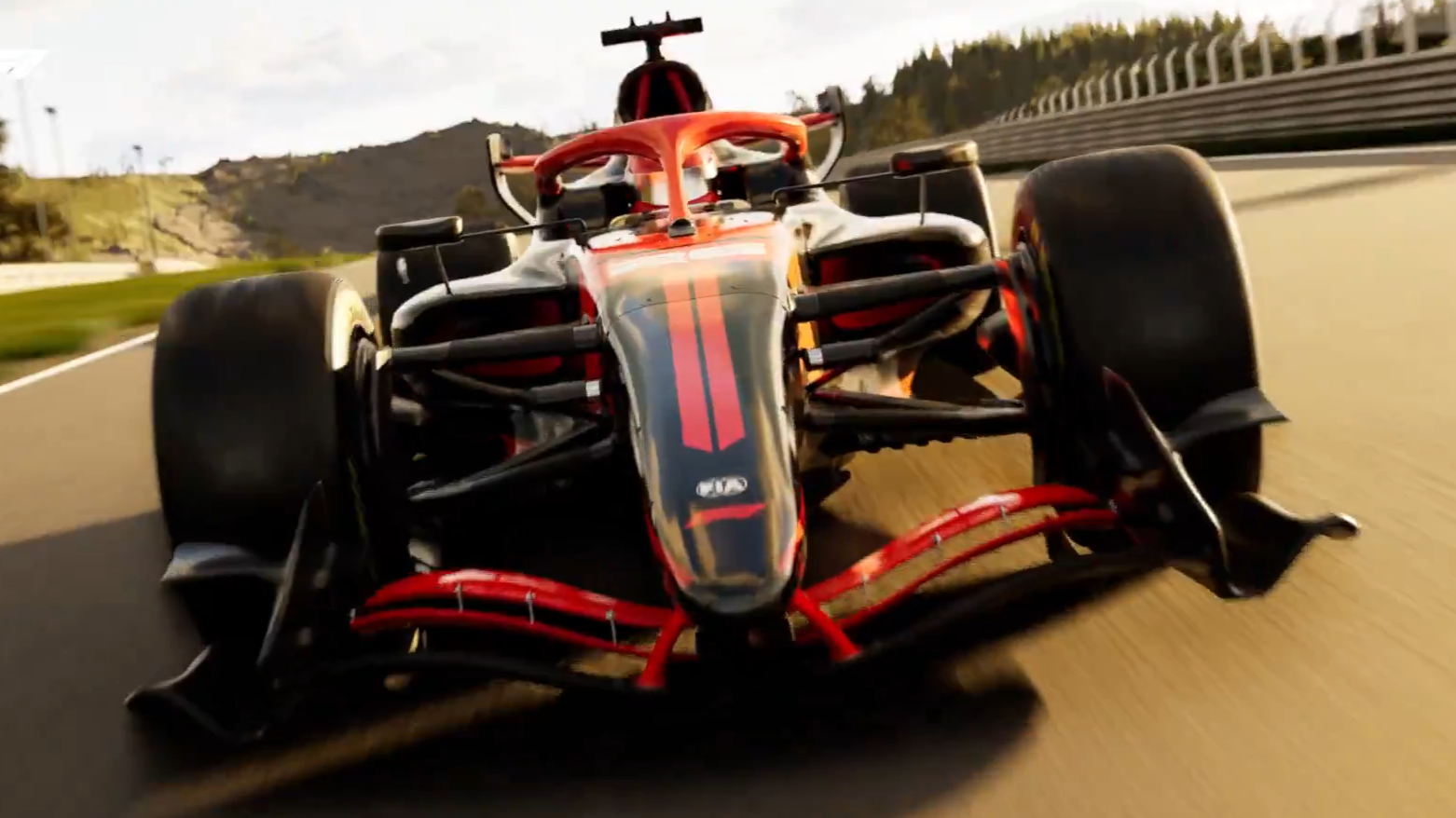
The introduction of active aerodynamics is among the most innovative elements of the 2026 rule set. For the first time, cars will be able to adjust certain aerodynamic components during a lap in order to optimise performance according to race conditions.
Aerodynamic modes
The system will feature two main modes:
Low-drag mode (straights)
In this configuration, aerodynamic elements reduce downforce and air resistance, allowing higher top speeds and improved energy efficiency. It will be used primarily on long straights and in overtaking scenarios.
High-downforce mode (corners)
In twisty sections and corners, the car will switch to a higher-downforce setup, improving grip and stability. This mode delivers strong cornering performance without compromising safety or control.
A new approach to the spectacle
Active aerodynamics partially replaces the current DRS system, integrating aerodynamic management into a broader, more continuous concept. This allows cars to adapt more naturally to each racing situation, reducing reliance on artificial aids and enhancing on-track battles.
The system also contributes to improved energy management, as reduced drag helps optimise consumption and the deployment of electrical power.
Key points
-
Two aerodynamic modes: straight and corner
-
Reduced drag
-
Greater overtaking opportunities
-
Improved energy efficiency
Sustainability at the heart of the regulations
Sustainability is a central pillar of the 2026 regulations. Formula One is moving towards a more responsible model, in which technological development goes hand in hand with a progressive reduction in environmental impact.
Greater use of electrical energy, the adoption of sustainable fuels and aerodynamic optimisation all help to reduce emissions associated with competition, while preserving Formula One’s high-performance DNA.
This approach positions the championship as a laboratory for technological innovation with applications well beyond the racetrack.
Key points
-
Reduced environmental impact
-
Greater energy efficiency
-
Innovation applied to future mobility