




Mercedes open the 2026 era with dominant Russell victory in Australia


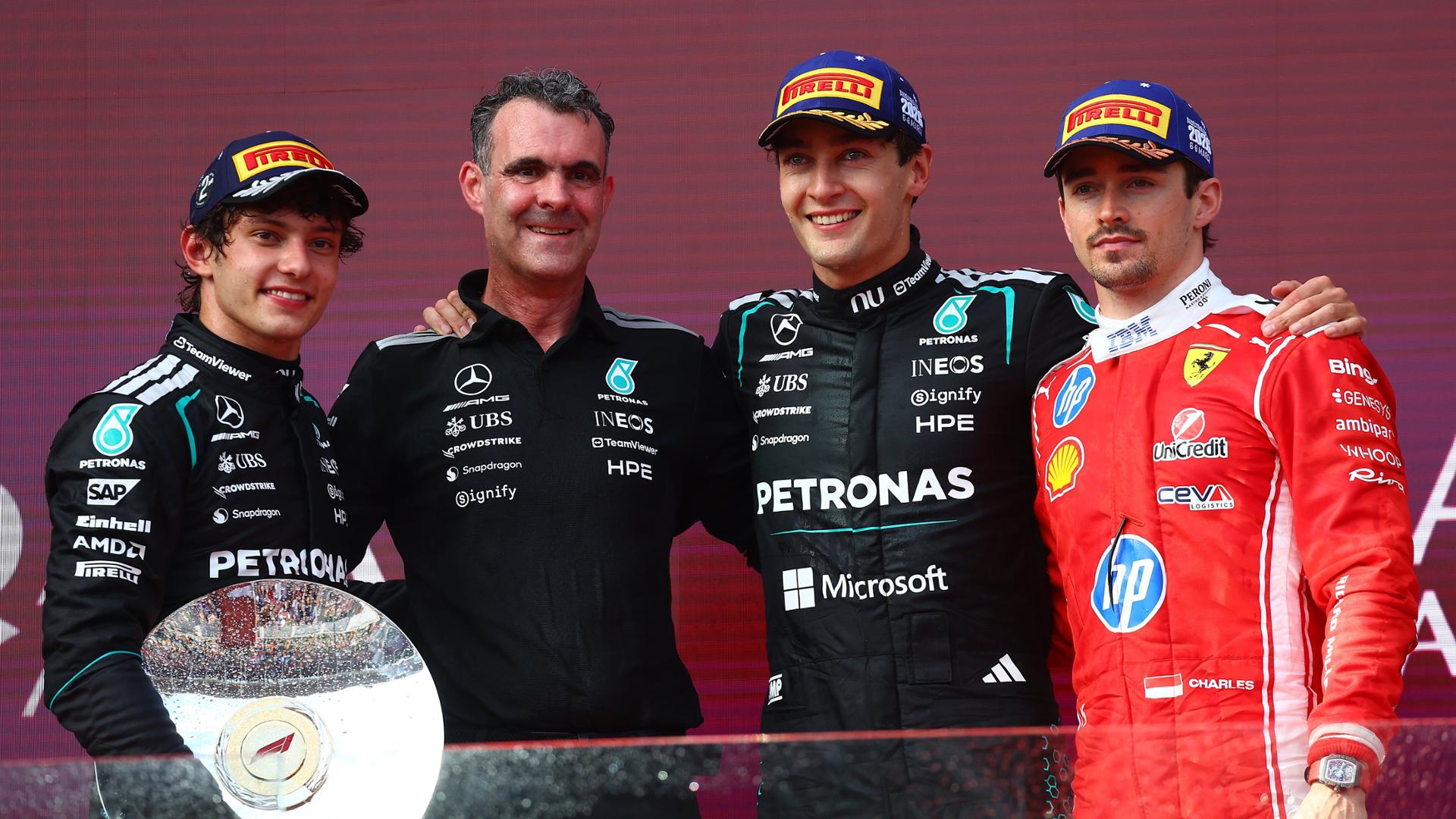
The 2026 Formula 1 season began at the Albert Park Circuit with a clear statement from Mercedes. George Russell secured victory, leading a one-two finish for the German team alongside Kimi Antonelli, while Charles Leclerc completed the podium for Ferrari. The result confirmed the impressions from Saturday and delivered a clear message from the very first Grand Prix of the year: Mercedes has started the new technical era at the front of the grid.
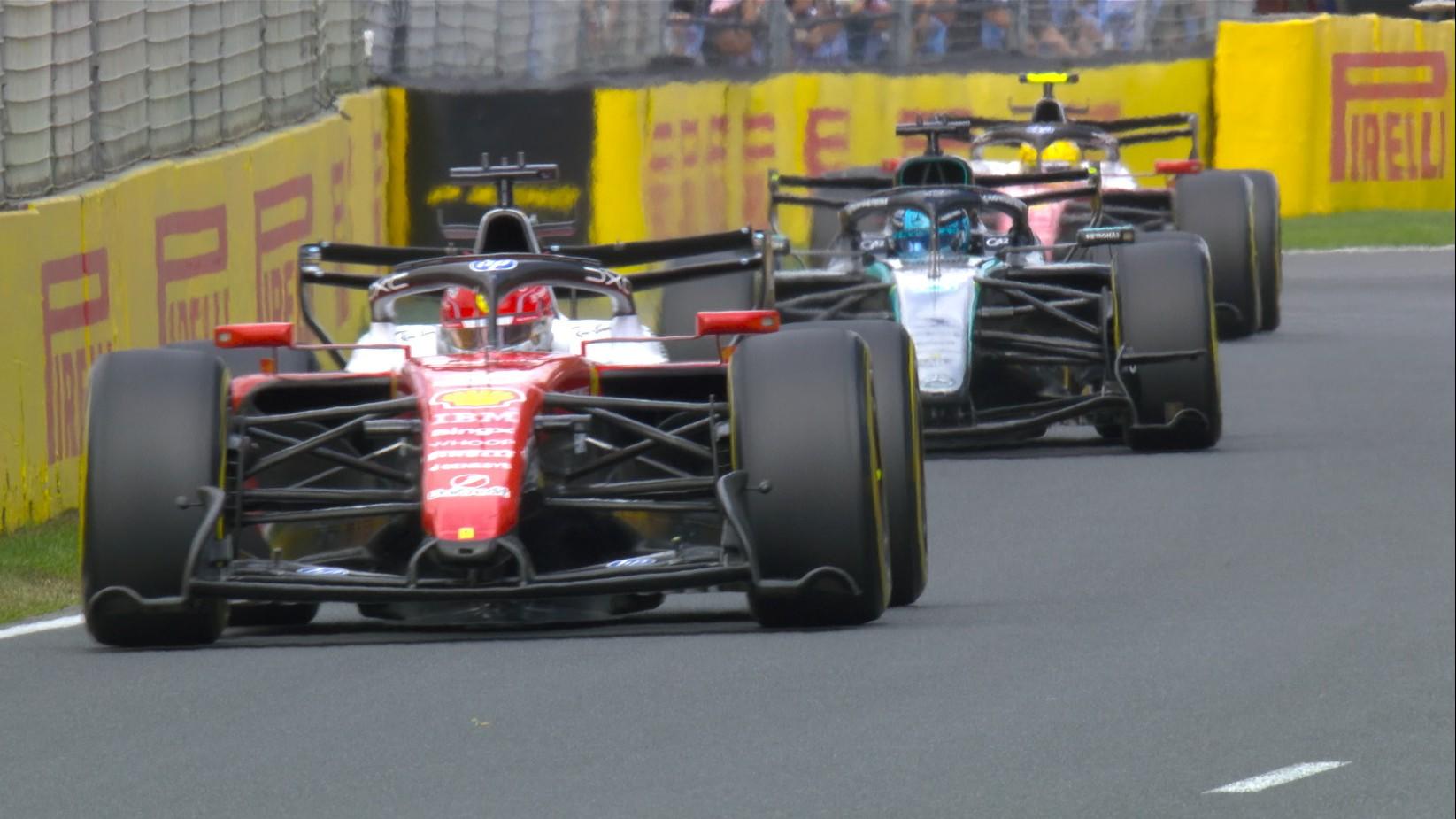
Beyond the result, the debut of the new regulations immediately revealed several reliability issues across different teams and produced a race dynamic that felt unusual compared to the closing phase of the previous regulatory cycle. During the opening stages of the Grand Prix there were six genuine lead changes, concentrated within the first 10–15 laps and heavily influenced by the energy management of the new hybrid systems.
Mercedes strike first
The start of the championship could hardly have been more convincing for Mercedes. The German team dominated the weekend from qualifying with a historic front-row lockout — Mercedes’ 85th in Formula 1 — moving them two ahead of Ferrari in that statistic. It was also the first time since 2019 that the team had opened a season with a one-two in qualifying.
That dominance carried into the race with another one-two finish led by Russell, confirming the impression seen throughout the weekend: Mercedes has arrived extremely well prepared for the new technical era.
Russell opens the 2026 era
If there was one driver who emerged particularly strengthened from Melbourne, it was George Russell. The British driver converted pole position into victory with a very composed performance, managing well the different phases of a race that began in particularly hectic fashion. Once the race settled down, Russell remained in control and made the most of the Mercedes’ pace to secure the win.
In a championship that begins with many technical unknowns, Melbourne delivered a first clear conclusion: Russell intends to lead Mercedes into this new chapter of Formula 1.
The local hero: a nightmare for Piastri
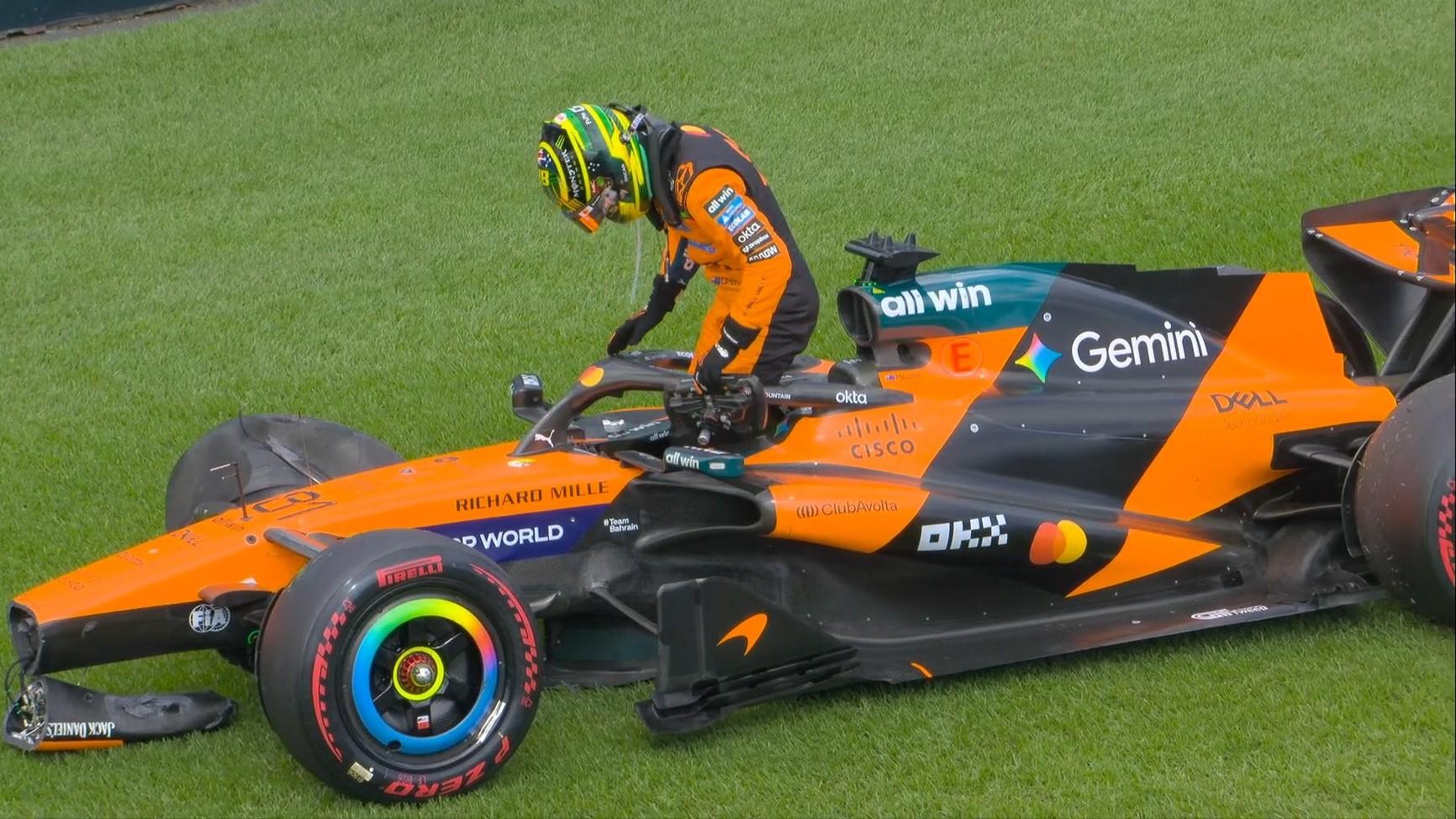
Oscar Piastri’s home Grand Prix ended in the worst possible way. The Australian driver arrived at Albert Park as one of the main talking points of the weekend, but his race ended before it had even begun.
During the installation lap, Piastri lost control of the car and hit the wall, retiring from the Grand Prix to the disbelief of the home crowd. It was a particularly painful scene in Melbourne, where the grandstands had expected to see the Australian fighting at the front but instead witnessed his race disappear in a matter of seconds. A sporting nightmare at home that turned the local hero into one of the most unfortunate protagonists of the weekend.
The new F1 opens a new scenario
Beyond the sporting results, the debut of the 2026 technical regulations produced one of the most discussed aspects of the weekend. Formula 1 itself quickly highlighted the increase in on-track action: the Australian Grand Prix recorded around 120 overtakes, a figure far higher than the 45 counted in the 2025 race at the same circuit.
Much of this increase can be explained by the new energy management of the hybrid systems and the greater emphasis on electrical deployment — factors that are creating a race dynamic different from the one seen during the previous regulatory cycle. Even the six lead changes recorded in the opening laps reflected how variable the race can now be in its early stages.
Melbourne therefore provided the first real glimpse of a Formula 1 with more on-track activity and new strategic variables, in a season that has only just begun and will reveal how teams and drivers gradually adapt to this new technical balance.
A difficult weekend for Sainz
The Australian Grand Prix was not straightforward for Carlos Sainz Jr. either. The Spanish driver arrived at the race weekend already heavily compromised after being unable to take part in Free Practice 3 or qualifying, forcing him to start the race from the back of the grid.
Despite this context, Sainz produced a strong recovery during the early phases of the Grand Prix, gaining several positions and joining the fight within the midfield pack. However, just as his progress began to take shape, a problem with the active aerodynamic system hampered his performance and ended his chances of continuing his climb up the order.
A setback that denied the Spaniard the opportunity to complete a comeback that, judging by his pace in the opening laps, seemed possible.
Aston Martin start on the back foot
Aston Martin F1 Team’s visit to Melbourne produced one of the most concerning storylines of the opening round. The British team was barely able to run in Free Practice 1 and encountered further issues in Free Practice 2, largely due to a shortage of batteries from the Japanese engine supplier, severely compromising much of their planned programme for the weekend.
These difficulties once again placed the spotlight on Honda’s power unit, whose performance was far below expectations. The wider context of the project was partly explained by Adrian Newey in comments made on Friday, in which he outlined several of the challenges the programme has been facing. Honda initially withdrew from Formula 1 in 2021 and had to effectively restart its 2026 project from scratch with a significantly renewed structure. By the end of 2025, during a visit to Japan, Aston Martin’s leadership discovered that only around 30% of the original personnel from the programme remained involved, while Newey himself had already admitted months earlier that the team was working almost “blind” due to correlation issues between the simulator and real-world data.
The race ultimately confirmed the difficult start to the project. Fernando Alonso made an excellent start, climbing from 17th to 10th, but the car’s performance quickly faded. The Spaniard briefly retired before returning to the track with a different configuration in what became something of an improvised test, similar to the run completed by Lance Stroll, who managed to complete 28 consecutive laps before eventually retiring. Both drivers ultimately withdrew from a race that ended up serving more as a test session than a Grand Prix for Aston Martin.
Audi deliver the surprise
One of the notable names of the weekend was Audi F1 Team. The German project is still in a consolidation phase on the grid, but in Australia it showed promising signs. The team remained competitive for much of the Grand Prix and ultimately scored points. Without making too much noise, Audi is beginning to take firm steps forward, and Melbourne suggested that its project is starting to establish itself within the midfield.
Stat of the race
The Australian Grand Prix also produced several historic statistics. Lewis Hamilton became the only driver in history to lead at least one lap in 20 consecutive Formula 1 seasons, from his debut in 2007 through to the current 2026 campaign. In addition, the race featured six genuine lead changes, matching the figure recorded in the first Australian Grand Prix held in Adelaide in 1985. Four of those changes were caused by incidents, in a race that became the one with the most genuine lead changes without a red flag interruption since Brazil 2012.