




Antonelli makes history in Shanghai as Mercedes shows dominance


The Chinese Grand Prix once again showed that the start of the 2026 season is being defined by Mercedes’ dominance. At the Shanghai International Circuit, Kimi Antonelli claimed his first Formula 1 victory, leading a one-two finish for the German team ahead of George Russell, while Lewis Hamilton completed the podium for Ferrari.
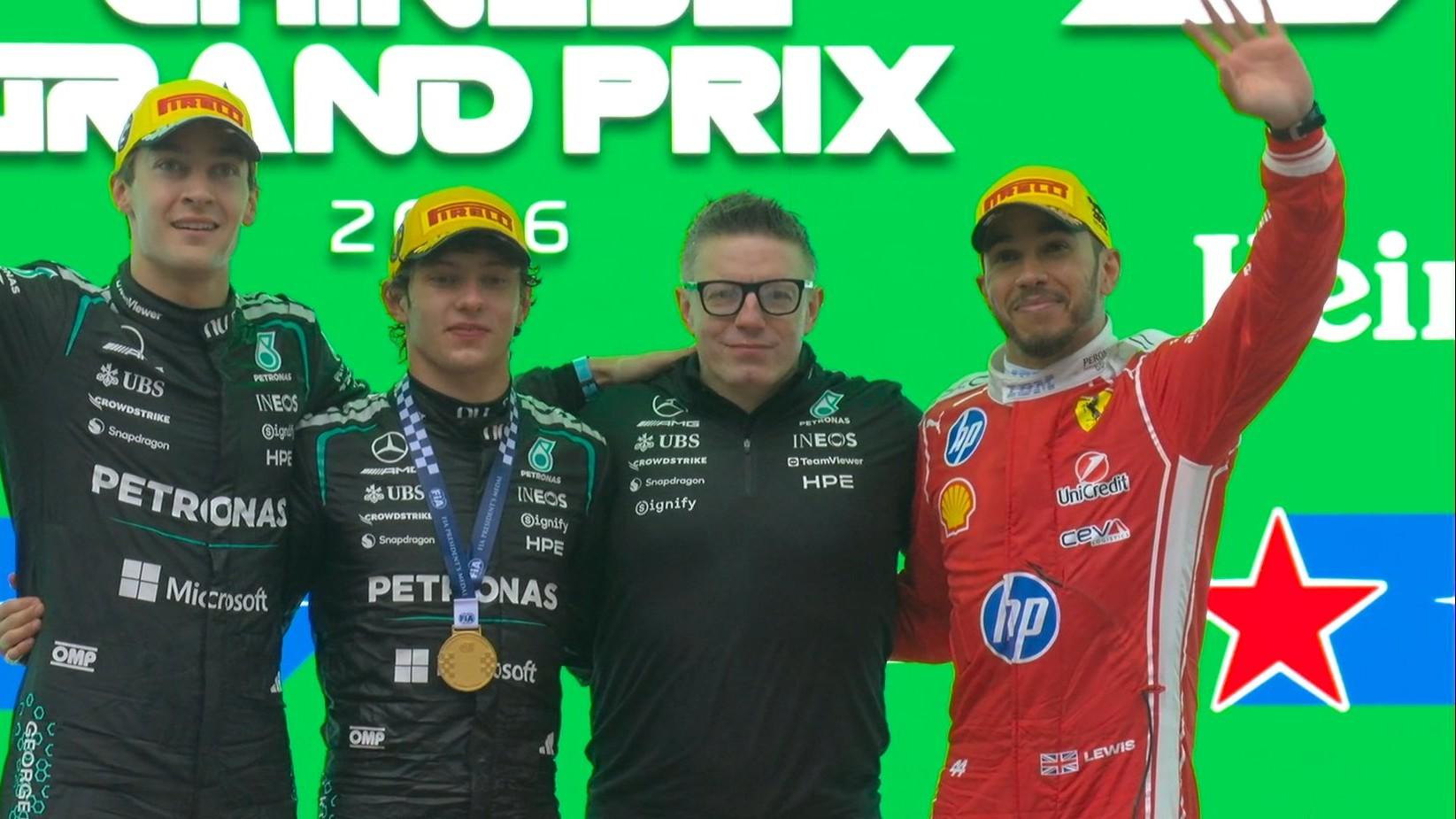
Only in his second full season in the category, the young Italian controlled a demanding race from the early laps and crossed the line with authority to secure his maiden Formula 1 win.
Beyond the result, the weekend produced several compelling stories across the grid: hard-fought recoveries, unexpected technical problems and standout performances that are beginning to shape the competitive order at the start of the championship.
Antonelli confirms his potential
The standout performer of the weekend was undoubtedly Kimi Antonelli. The Italian driver not only secured his first Formula 1 victory, but also completed a full grand slam (pole position, race win and fastest lap) in Shanghai.
The achievement carries considerable historical significance. Antonelli became the first Italian driver to record a grand slam in Formula 1 since Alberto Ascari at the 1953 British Grand Prix, more than seven decades ago.
At 19 years, 6 months and 18 days, the Mercedes driver also set a new record as the youngest driver in Formula 1 history to achieve a grand slam, surpassing the mark previously held by Sebastian Vettel since the 2009 British Grand Prix.
The victory also places him in an extremely exclusive club: only two drivers in Formula 1 history have won a race before turning 20 — Max Verstappen, who achieved the feat in Spain in 2016, and now Antonelli with his breakthrough win in China.
Mercedes continue to set the pace
If the Australian Grand Prix had already offered encouraging signs for the Mercedes-AMG Petronas Formula One Team, Shanghai confirmed the trend.
The German outfit once again dominated the race with Antonelli and Russell securing a one-two finish, establishing themselves as the benchmark team at the start of the championship. Russell, winner of the season opener, produced another solid weekend to finish second.
Two races, two victories for Mercedes — an opening to the season that echoes the team’s most dominant years in Formula 1.
Hamilton opens his Ferrari account
Another major talking point of the weekend was Lewis Hamilton, who secured his first podium finish since joining Ferrari, ending a run of 26 races with the Scuderia without reaching the top three.
In doing so, the Briton also became the fourth world champion to stand on the podium for Ferrari after the age of 40.
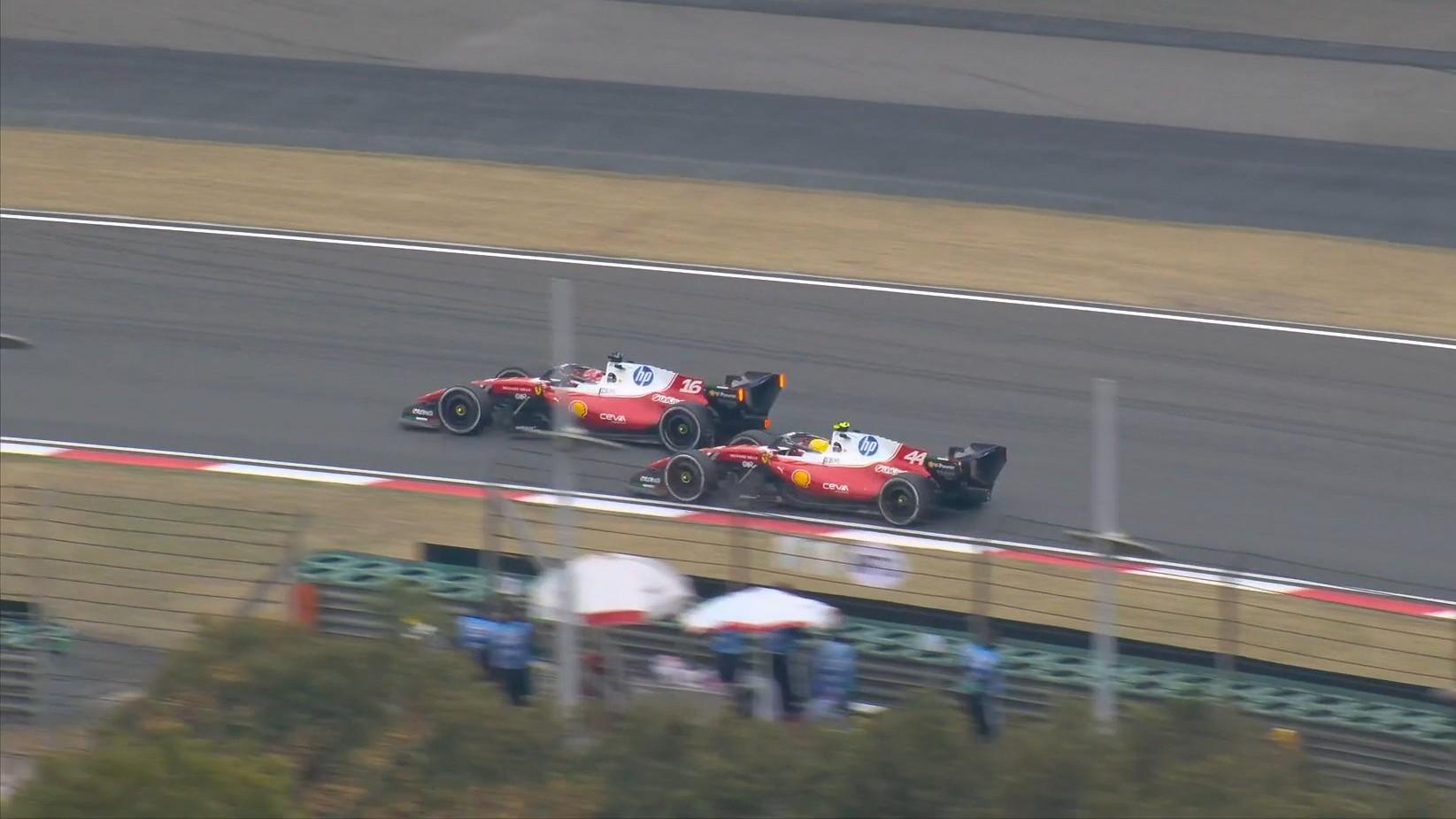
Hamilton looked comfortable throughout the weekend and delivered a consistent race, while also engaging in an intense on-track battle with team-mate Charles Leclerc. Their duel produced several spectacular moments and highlighted the potential of the new regulations to allow cars to follow more closely and fight wheel-to-wheel through multiple corners.
Sainz salvages points after a difficult weekend
Carlos Sainz Jr. managed to finish the weekend in the points after a hard-fought race with Williams Racing.
The Spanish driver faced a challenging weekend with a car still affected by excess weight, a factor that is limiting the British team’s performance against their direct midfield rivals.
The difficulties were already evident in qualifying, where Sainz managed to out-qualify his team-mate but was still far from progressing beyond the first cut, ultimately starting 17th on the grid.
In the race, however, the Madrid-born driver once again demonstrated his consistency in the midfield. Taking advantage of retirements and executing a solid strategy, Sainz climbed through the order to finish ninth, securing two valuable points for Williams.
Alpine shine in the midfield
After a disappointing Australian Grand Prix, the French team responded with a strong result in Shanghai.
The outcome could have been even better had Franco Colapinto not been involved in an incident with Esteban Ocon that cost him significant time and limited him to tenth place.
Nevertheless, thanks to an impressive performance from Pierre Gasly — one of the most consistent drivers in the midfield — Alpine secured a sixth-place finish, collecting important points and confirming the encouraging signs already seen during pre-season testing.
McLaren and Red Bull endure a difficult weekend
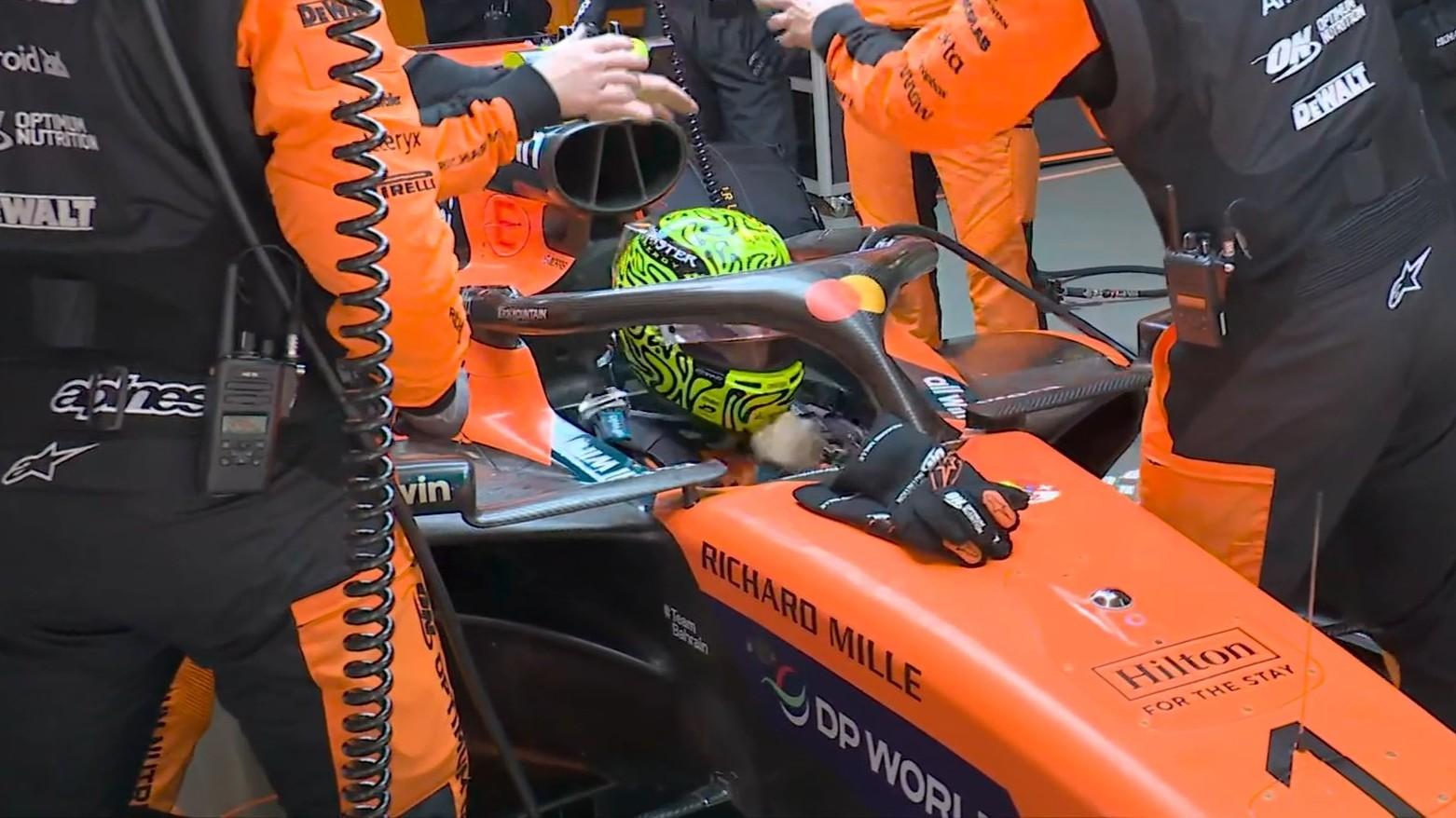
The Chinese Grand Prix also proved particularly challenging for both McLaren and Red Bull. The British team suffered electrical issues with their cars, and neither Lando Norris nor Oscar Piastri — who recorded his second consecutive DNS — were able to take the start of the race, resulting in a double non-start before the Grand Prix even began.
The statistic underlines the severity of the situation: McLaren had not begun a season with three DNS results in the opening two races since 1966, when Chris Amon and Bruce McLaren encountered similar problems early that year. Furthermore, the team had not recorded a double DNS in a single Grand Prix since the 2005 United States Grand Prix, when they chose not to compete after the formation lap.
Meanwhile, the Milton Keynes-based Red Bull team struggled throughout the weekend, lacking outright pace and finding it difficult to reach Q3 in qualifying. Max Verstappen also suffered a reliability issue in the race that forced him to retire while running in fifth position.
Aston Martin still searching for answers
The start of the season has also proved difficult for Aston Martin F1 Team. The British squad has become the first team since Williams in 2011 to complete only 105 laps across the opening two races without either car reaching the finish.
During the weekend, Honda’s main objective had been to simply bring both cars to the chequered flag. Aston Martin had shown encouraging signs earlier in the event, appearing to resolve their vibration issues and qualifying ahead of the Cadillac entries while accumulating valuable mileage.
However, everything unravelled during the race. Lance Stroll was the first to retire after his engine cut out midway through Turn One, triggering a Safety Car. Later, Fernando Alonso was also forced to retire after suffering severe vibrations following his pit stop. The Spanish driver reported vibrations strong enough to force him to briefly remove his hands from the steering wheel — a dangerous situation that ultimately led him to retire the car for safety reasons.
The British team and Honda now have two weeks to continue searching for solutions as they aim to reach the finish line at the Japanese Grand Prix, the home race of the Japanese manufacturer.